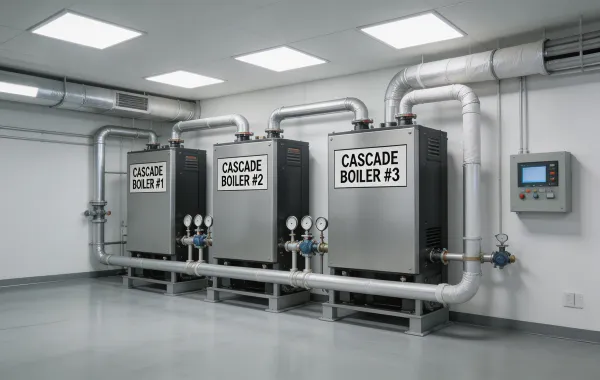
Tailored heating and hot water solutions engineered for the specific demands of each industry sector.
Cascade condensing boiler systems and air-source heat pumps for offices, hotels, hospitals, and multi-tenant complexes. Weather-compensated controls optimize energy use based on occupancy and outdoor conditions.
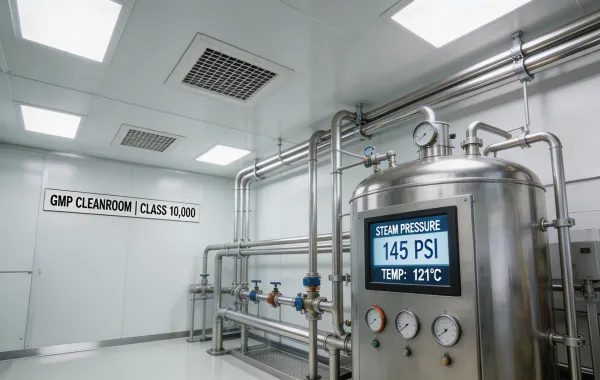
Precision steam generation and clean hot water systems for GMP-compliant production, sterilization, and cleanroom humidity control. Redundant boiler configurations ensure zero-downtime operation.
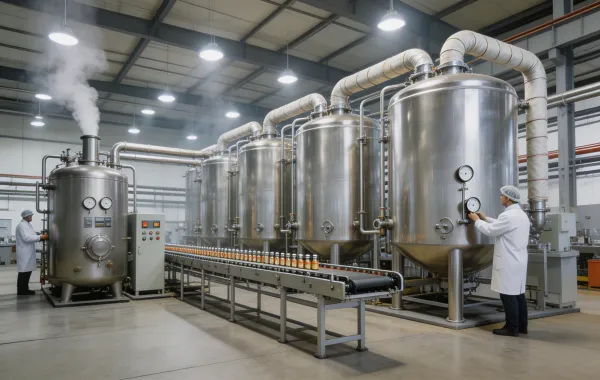
Steam boilers and process hot water systems for pasteurization, CIP (Clean-in-Place), sterilization, and cooking processes. HACCP-compatible designs with rapid steam generation response.
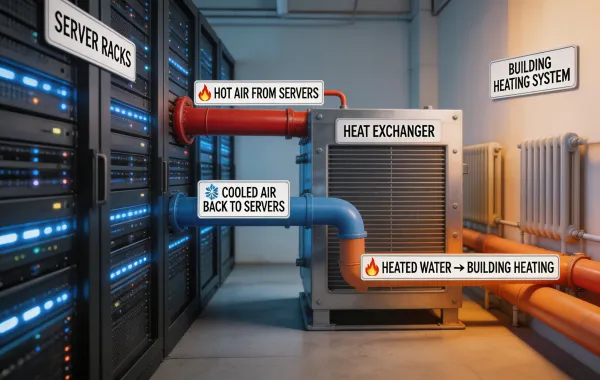
Heat recovery boiler systems that capture server waste heat for district heating integration and on-site domestic hot water. Combined with high-temperature heat pumps for maximum energy recovery.
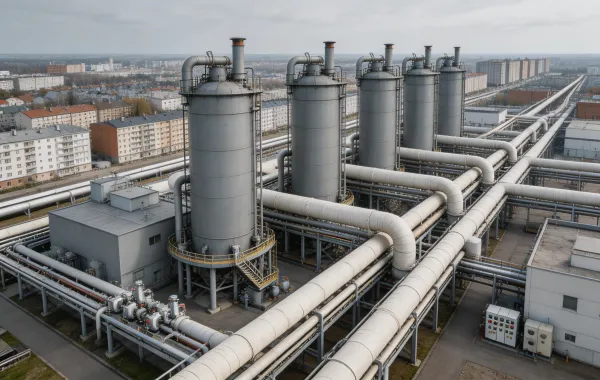
Large-scale centralized boiler plants from 2 MW to 20 MW output for urban district heating. Biomass-ready and hydrogen-compatible designs with multi-fuel flexibility and peak-load management.
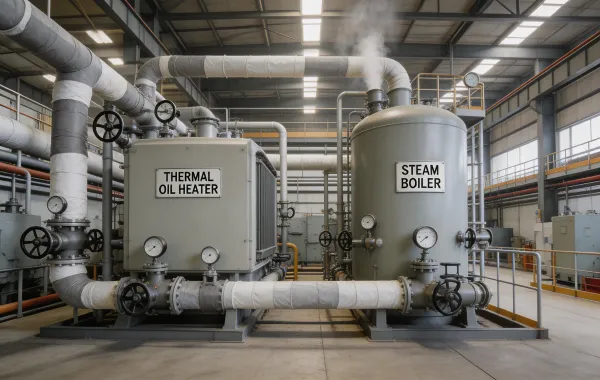
High-output steam boilers, thermal oil heaters, and superheated water systems for chemical processing, textile manufacturing, paper mills, and heavy industry. ASME and PED certified.
Choosing the right heating technology requires balancing multiple factors. Our engineers help you evaluate these considerations objectively.
Condensing gas boilers deliver thermal output from 24 kW to 5,800 kW with seasonal efficiency above 96% and lower capital cost per kW of heat output. They remain the practical choice where gas infrastructure exists and building heat demand is concentrated in winter months. However, their carbon intensity depends entirely on fuel source, and operating costs track volatile gas prices.
Air-source heat pumps achieve COP values of 3.5 to 5.2, producing 3.5 to 5.2 kW of heat per 1 kW of electricity consumed. At current European electricity prices, heat pumps offer lower running costs in mild climates (average winter temperatures above 0 °C). Below -10 °C, COP drops to 2.0–2.5, and supplemental heating or ground-source systems become necessary. Capital costs for heat pump installations are typically 2–3 times higher than equivalent boiler systems.
For many facilities, a hybrid boiler-heat pump configuration provides the best balance: heat pumps handle base load at high COP, while condensing boilers cover peak demand and extreme cold periods.
The hydrogen transition in building heating remains uncertain. While 20% hydrogen blending is technically proven and several European gas networks have announced pilot programs, 100% hydrogen grid infrastructure will not reach most commercial districts before 2035–2040 according to European Hydrogen Backbone project timelines (2024 update).
Investing in hydrogen-ready boilers today adds approximately 5–8% to equipment cost. This premium provides future-proofing value if local hydrogen supply materializes within the boiler's 20-year service life. However, facilities in regions without published hydrogen grid plans may achieve faster decarbonization by investing that premium into higher-COP heat pump systems or building envelope improvements instead.
We advise customers to evaluate their local gas network operator's hydrogen roadmap before committing to either pathway. Our engineering team provides region-specific decarbonization assessments at no charge.
Every heating technology has defined operating limits. Understanding these boundaries is essential for reliable system design.
Air-source heat pump COP is ambient-temperature dependent. At outdoor temperatures below -15 °C, our units operate at reduced capacity (approximately 60% of rated output) and COP drops below 2.0. Ground-source systems maintain higher COP in extreme cold but require suitable land area for borehole or horizontal loop installation, which is not feasible for all urban sites.
Condensing boilers achieve their rated 96%+ efficiency only when return water temperature is below the flue gas dew point (approximately 55 °C for natural gas). Buildings with legacy high-temperature radiator systems (80/60 °C flow/return) may not reach full condensing mode without radiator upgrades or weather-compensated flow temperature reduction.
All boiler heat exchangers require treated water with hardness below 15 °dH and pH between 7.0 and 8.5 to prevent scale formation and corrosion. Systems using untreated water in hard-water regions will experience accelerated heat exchanger degradation and reduced efficiency within 2–3 years. Annual water quality testing and chemical treatment are mandatory warranty conditions.
Our application engineers specialize in designing custom heating solutions for non-standard environments and unusual thermal requirements.
Contact Our Engineering Team